How to Create Gourmet Salad Dressings at Home
Creating gourmet salad dressings at home can elevate even the simplest of salads into a culinary delight. With a few basic ingredients, essential tools, and creative flavor combinations, anyone can craft dressings that are not only delicious but also tailored to their personal taste. This guide will help you understand the fundamentals of salad dressings, equip you with the necessary tools and techniques, inspire you with flavor combinations, and offer tips for proper storage and usage.
Understanding the Basics of Salad Dressing Ingredients
At the core of any salad dressing are three fundamental components: the fat, the acid, and the seasoning. Fats can be derived from oils like olive, avocado, or sesame, each imparting its own unique flavor profile. Acids, such as vinegar (balsamic, red wine, or apple cider) or citrus juices (lemon, lime, or orange), provide brightness and cut through the richness of the fat. Seasoning, which includes salt, pepper, herbs, and spices, enhances the overall flavor and brings balance to the dressing.
Emulsification is a key principle in salad dressing preparation, especially for vinaigrettes. This process involves combining two ingredients that typically do not mix well, such as oil and vinegar. When whisked vigorously or blended, these ingredients create a stable mixture, resulting in a creamy texture. The ideal ratio for a basic vinaigrette is three parts oil to one part acid, but this can be adjusted to suit personal preferences.
In addition to the main ingredients, consider incorporating extras like honey or mustard for sweetness and depth, or yogurt and tahini for creaminess. Fresh herbs such as basil, dill, or parsley can introduce aromatic notes, while spices like paprika or cumin can add warmth and complexity to the dressing. Understanding these basic elements allows you to experiment and create dressings that resonate with your palate.
Essential Tools and Techniques for Making Dressings
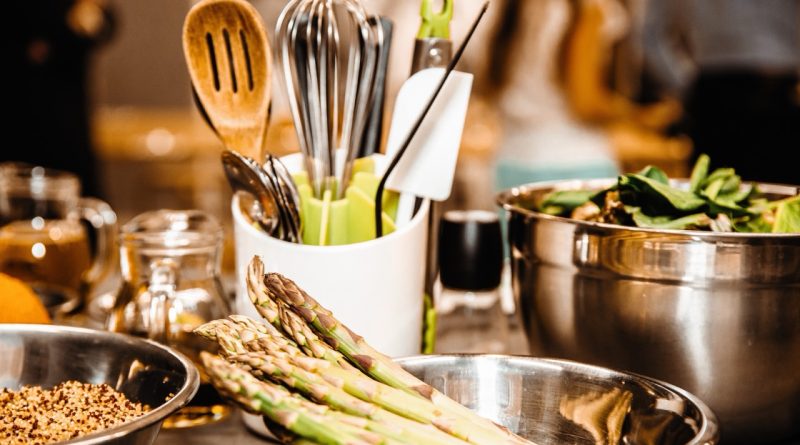
Creating gourmet salad dressings at home doesn’t require an extensive arsenal of kitchen tools, but a few essentials can streamline the process. A good quality whisk or a hand blender is crucial for emulsifying ingredients effectively. A jar with a tight-fitting lid is also beneficial for shaking up ingredients, allowing for easy storage and a quick cleanup. Additionally, measuring spoons and cups ensure you get the proportions just right.
One effective technique for making dressings is the “shake and pour” method. Combine your ingredients in a jar, secure the lid tightly, and shake vigorously until well mixed. This method not only emulsifies the ingredients but also makes for easy storage. Alternatively, using a bowl and whisk allows for more control over the mixing process, enabling you to adjust flavors as you go.
For those seeking a creamier texture, a blender or food processor can produce incredibly smooth dressings. This is particularly useful for dressings that incorporate nuts, seeds, or dairy products. When using these devices, it’s advisable to add the oil slowly while blending to create a stable emulsion. Mastering these tools and techniques will enhance your ability to create flavorful dressings effortlessly.
Flavor Combinations to Elevate Your Salad Dressings
Exploring different flavor combinations is where the real fun begins in crafting gourmet salad dressings. For a classic Mediterranean twist, consider mixing olive oil, red wine vinegar, fresh oregano, and minced garlic. This combination brings a robust flavor that pairs beautifully with Greek salads or roasted vegetables. Alternatively, a citrus vinaigrette with orange juice, lime zest, and honey can provide a refreshing kick to summer salads.
For a more adventurous approach, try incorporating umami-rich ingredients like miso paste or soy sauce. A sesame ginger dressing, featuring sesame oil, rice vinegar, and freshly grated ginger, can elevate Asian-inspired salads or serve as a marinade for grilled vegetables. Don’t hesitate to experiment with unique ingredients such as tahini, avocado, or even fruits like mango or peach to create unexpected flavor profiles.
Herbs and spices can also make a significant impact on your dressings. Fresh herbs like cilantro, basil, or tarragon can introduce vibrant flavors, while spices like cumin, coriander, or chili powder can add warmth and depth. Consider making a chimichurri with parsley, garlic, and red pepper flakes for a zesty topping on grilled meats or roasted vegetables. With endless possibilities, experimenting with different flavor combinations can lead to truly gourmet results.
Storing and Using Homemade Dressings for Maximum Freshness
Once you’ve created your gourmet salad dressings, proper storage is essential for maintaining their freshness. Homemade dressings can typically be stored in an airtight container or a jar in the refrigerator for up to one week. However, dressings that contain fresh herbs or garlic may have a shorter shelf life due to the risk of spoilage. Always check for any off smells or changes in appearance before use.
When it comes to using your dressings, consider the timing. For the best flavor, dress salads just before serving to prevent sogginess. If you’re preparing a salad in advance, it’s advisable to keep the dressing separate until you’re ready to enjoy the meal. This will help maintain the crispness of the greens and the integrity of the other ingredients.
Lastly, don’t hesitate to repurpose your homemade dressings beyond salads. They can serve as marinades for meats, dips for vegetables, or sauces for grain bowls. The versatility of gourmet dressings adds value to your culinary repertoire, making them a worthwhile addition to your home kitchen.
Creating gourmet salad dressings at home is an accessible yet rewarding endeavor that can transform your meals. By understanding the core ingredients, utilizing essential tools, experimenting with flavors, and ensuring proper storage, you can elevate your salads and other dishes to new heights. With practice and creativity, you’ll find that the possibilities for homemade dressings are as limitless as your culinary imagination.