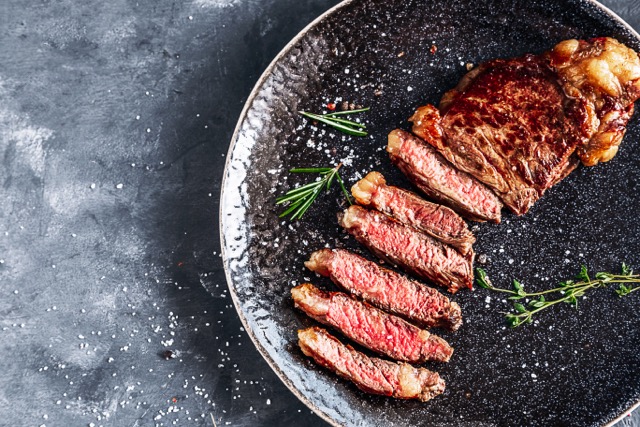
Understanding the Smoke Point of Cooking Oils
Understanding the smoke point of cooking oils is essential for both novice cooks and seasoned chefs. The smoke point refers to the temperature at which an oil begins to smoke and break down, releasing harmful compounds and potentially altering the flavor of the food being cooked. This article aims to demystify the smoke point, compare various oils, explore the factors that affect it, and provide practical tips for selecting the right oil for your culinary needs.
What Is the Smoke Point and Why It Matters in Cooking?
The smoke point of an oil is defined as the temperature at which it begins to produce visible smoke. This phenomenon occurs when the oil’s fatty acids decompose, leading to the formation of acrolein, a compound responsible for the acrid smell and taste often associated with burnt oil. When cooking, using an oil that exceeds its smoke point can result in not only off-flavors but also the release of potentially harmful compounds.
Understanding the smoke point is crucial for several reasons. First, cooking at high temperatures is common in methods like frying, sautéing, and stir-frying, making it vital to choose an oil that can withstand these temperatures without degrading. Second, oils with higher smoke points generally have better stability, meaning they can be reused more often without losing quality. This is particularly important in commercial kitchens where oil longevity can affect both taste and cost.
Moreover, the smoke point can influence the nutritional profile of the oil. When an oil is heated beyond its smoke point, it can produce free radicals, which are harmful to health. Therefore, being mindful of the smoke point can contribute to healthier cooking methods and improved culinary outcomes.
How Different Oils Compare: A Guide to Smoke Points
The smoke points of cooking oils vary significantly, making it essential to know which oils are best suited for specific cooking methods. For instance, extra virgin olive oil has a smoke point of about 375°F (190°C), making it suitable for low to medium-heat cooking. On the other hand, refined olive oil has a higher smoke point of around 465°F (240°C), making it more versatile for higher-temperature applications.
Vegetable oils are also popular choices and generally feature higher smoke points. Canola oil, for example, has a smoke point of approximately 400°F (204°C), while grapeseed oil reaches about 420°F (216°C). These oils can be great options for frying and baking where higher temperatures are often required. Coconut oil, depending on its refinement, can have smoke points ranging from 350°F (175°C) for unrefined to 450°F (232°C) for refined, making it suitable for various cooking techniques.
Specialty oils like sesame oil and peanut oil also have distinct smoke points that cater to specific culinary traditions. Toasted sesame oil, for instance, has a lower smoke point around 350°F (175°C), making it ideal for finishing dishes rather than cooking at high temperatures. In contrast, peanut oil boasts a high smoke point of about 450°F (232°C), making it a favorite for deep frying.
Factors Influencing the Smoke Point of Cooking Oils
Several factors can influence the smoke point of cooking oils, including the oil’s refinement, quality, and composition. Refined oils typically have higher smoke points compared to their unrefined counterparts. This is because the refining process removes impurities and free fatty acids that can lower the smoke point. Therefore, if you’re looking for an oil that can handle high heat, opting for refined varieties is generally advisable.
The quality of the oil also plays a significant role. High-quality oils, which are often produced through cold-pressing methods, tend to retain their chemical structure better than lower-quality oils. They can exhibit a higher smoke point, making them more suitable for cooking tasks. Additionally, oils that are blended with other oils may have varying smoke points, depending on the characteristics of the oils used in the blend.
Another important factor is the presence of antioxidants and other compounds within the oil. Oils rich in polyunsaturated fatty acids may have lower smoke points due to their susceptibility to oxidation. Conversely, oils high in monounsaturated fats, such as avocado oil, often have higher smoke points and better stability when heated.
Practical Tips for Choosing the Right Oil for Cooking
When selecting an oil for cooking, it’s essential to consider both the smoke point and the method of cooking you intend to use. For high-heat methods like frying or searing, choose oils with high smoke points, such as avocado or refined grapeseed oil. These choices will ensure that the oil remains stable and doesn’t impart unpleasant flavors to your food.
For lower-heat cooking techniques, such as sautéing or salad dressings, oils with moderate smoke points can be ideal. Extra virgin olive oil, with its rich flavor profile, can enhance dishes when used at lower temperatures. Additionally, consider using oils with distinct flavors to complement your culinary creations—like sesame oil in Asian dishes or coconut oil for tropical flavors.
Lastly, always store oils properly to maintain their quality and prolong their shelf life. Keep them in a cool, dark place, and use dark glass or metal containers to protect them from light exposure. By following these practical tips, you can elevate your cooking while ensuring that you’re making healthy and flavorful choices.
Understanding the smoke point of cooking oils is an invaluable aspect of culinary knowledge. By recognizing how different oils perform at various temperatures, you can make informed choices that enhance your cooking experiences. Whether you are frying, sautéing, or dressing a salad, selecting the right oil will not only improve the flavor of your dishes but also contribute to healthier cooking practices. As you experiment with different oils, keep their smoke points in mind to achieve optimal results in the kitchen.