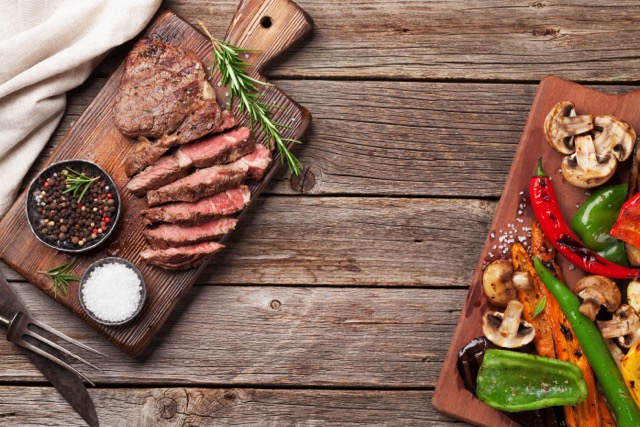
The Secrets to Grilling the Perfect Steak
Grilling the perfect steak is an art that combines knowledge, skill, and a bit of science. Whether you’re a seasoned chef or a novice griller, understanding the nuances of steak cuts, tools, marinades, and grilling techniques can elevate your cooking game. This article will delve into the secrets behind grilling a steak that is not only delicious but also tender and perfectly cooked.
Understanding the Different Cuts of Steak for Grilling
When it comes to grilling steak, knowing the different cuts available is crucial. Cuts such as ribeye, sirloin, and filet mignon each offer unique flavors and textures. Ribeye is known for its marbling, which provides rich flavor and tenderness, making it a favorite among steak enthusiasts. Sirloin, on the other hand, is leaner and offers a balance of flavor and affordability, while filet mignon is prized for its buttery texture. Understanding these distinctions can help you select the right cut for your grilling needs.
In addition to flavor and texture, the thickness of the steak affects how it should be cooked. Thicker cuts, such as a 2-inch ribeye, require different cooking times and methods compared to thinner cuts like flank steak. A thicker steak benefits from a sear on high heat followed by a slower finish, allowing the inside to cook evenly without burning the exterior. Conversely, thinner steaks can benefit from quick high-heat grilling, which locks in juices without overcooking.
Finally, consider the source of your meat. Grass-fed beef tends to have a different flavor profile compared to grain-fed beef due to its diet. Understanding these differences can enhance your grilling experience, allowing you to choose a steak that fits your flavor preferences and cooking style.
Essential Tools and Equipment for Perfect Grilling
Having the right tools can make a significant difference in the outcome of your grilled steak. A quality grill, whether gas or charcoal, is fundamental. Gas grills offer convenience and temperature control, while charcoal grills impart a distinct smoky flavor that many grill enthusiasts cherish. Additionally, ensure you have a reliable meat thermometer to monitor the internal temperature accurately, allowing you to achieve your desired level of doneness.
Other essential tools include a sturdy set of tongs for flipping and moving steaks without piercing the meat, which can cause juices to escape. A good-quality grill brush is also critical for maintaining a clean grill surface, ensuring that flavors from previous grilling sessions don’t interfere with your current steak. Lastly, consider investing in a cast iron skillet or grill pan, which can be used for searing steaks to achieve a perfect crust.
Lastly, don’t overlook safety equipment. Heat-resistant gloves will protect your hands while handling hot grills and utensils, and an apron can shield your clothing from splatters. Having the right tools not only enhances your experience but also ensures that you grill efficiently and safely.
Mastering Marinades: How to Enhance Flavor and Tenderness
Marinades play a vital role in enhancing both the flavor and tenderness of your steak. A good marinade typically consists of an acid (like vinegar or citrus juice), oil, and various herbs or spices. The acid helps to break down the proteins in the meat, while the oil aids in moisture retention. A simple marinade could include olive oil, balsamic vinegar, garlic, and rosemary, which together create a robust flavor profile.
For optimal results, allow your steak to marinate for at least 30 minutes, although overnight is ideal for deeper flavor penetration. It’s important to keep the marinating steak refrigerated to prevent bacterial growth. Additionally, consider using a vacuum-seal method for marinating, which can help the flavors penetrate more thoroughly and quickly.
While marinades enhance flavor, they should be used judiciously. Over-marinating can lead to an overly soft texture, especially with acidic marinades. A balance between flavor infusion and maintaining the steak’s integrity is key to achieving the perfect grilled steak.
Grilling Techniques: Achieving the Ideal Doneness Every Time
Achieving the perfect doneness is often the ultimate goal for many grillers, and understanding cooking temperatures is essential. The USDA recommends specific internal temperatures: 145°F for medium-rare, 160°F for medium, and 170°F for well-done. Using a reliable meat thermometer is the most accurate way to ensure your steak is cooked to your liking. Insert the thermometer into the thickest part of the steak, avoiding bone and fat for the best reading.
Another effective technique for grilling steaks is the "reverse sear" method. This involves cooking the steak at a low temperature until it approaches the desired doneness, followed by a high-heat sear to develop a crust. This method helps to cook the steak evenly throughout while achieving a flavorful exterior. For those who prefer a traditional approach, direct grilling over high heat remains effective. Sear the steak for a few minutes on each side, then move it to a cooler part of the grill to finish cooking indirectly.
Resting the steak is also a crucial step that should not be overlooked. Allowing the steak to rest for about 5 to 10 minutes after grilling enables juices to redistribute, resulting in a more flavorful and juicy bite. Slice against the grain to maintain tenderness, and always serve your perfectly grilled steak with confidence.
Grilling the perfect steak is a blend of selecting the right cut, using proper tools, mastering marinades, and applying effective grilling techniques. By understanding these elements, you can elevate your grilling skills and impress family and friends with a deliciously cooked steak. Whether you prefer a classic ribeye or a tender filet mignon, these secrets will help you achieve steak perfection every time. Happy grilling!